
What made us build Hotplate
Our Why
Until now, there's been one default way to run a local food business. Sign a lease. Take on debt. Hire a team. Stay open for as many hours as possible, with a menu long enough to please everyone. Hope the math works.
It usually doesn't. The model screws over the very people trying to do this in the first place, leaving them with razor thin margins, long hours, and high
fixed costs.
We think it's time for a new model in food.
A new way to sell food
Meet Nicole. Nicole has a marketing job in San Francisco, but is obsessed with making cookies. One day, she realized no one else in SF was making the kind of decadent cookies she and her friends wanted. So, she decided to just make and sell them herself.
She started by taking orders off of Instagram DMs and doing pickups from her apartment. In the beginning, she was only getting 9 orders a week. But what started as a small side hustle, quickly blew up into SF’s most viral cookie brand, selling hundreds of cookies a week and getting featured in Eater, The Infatuation, and on the local news.
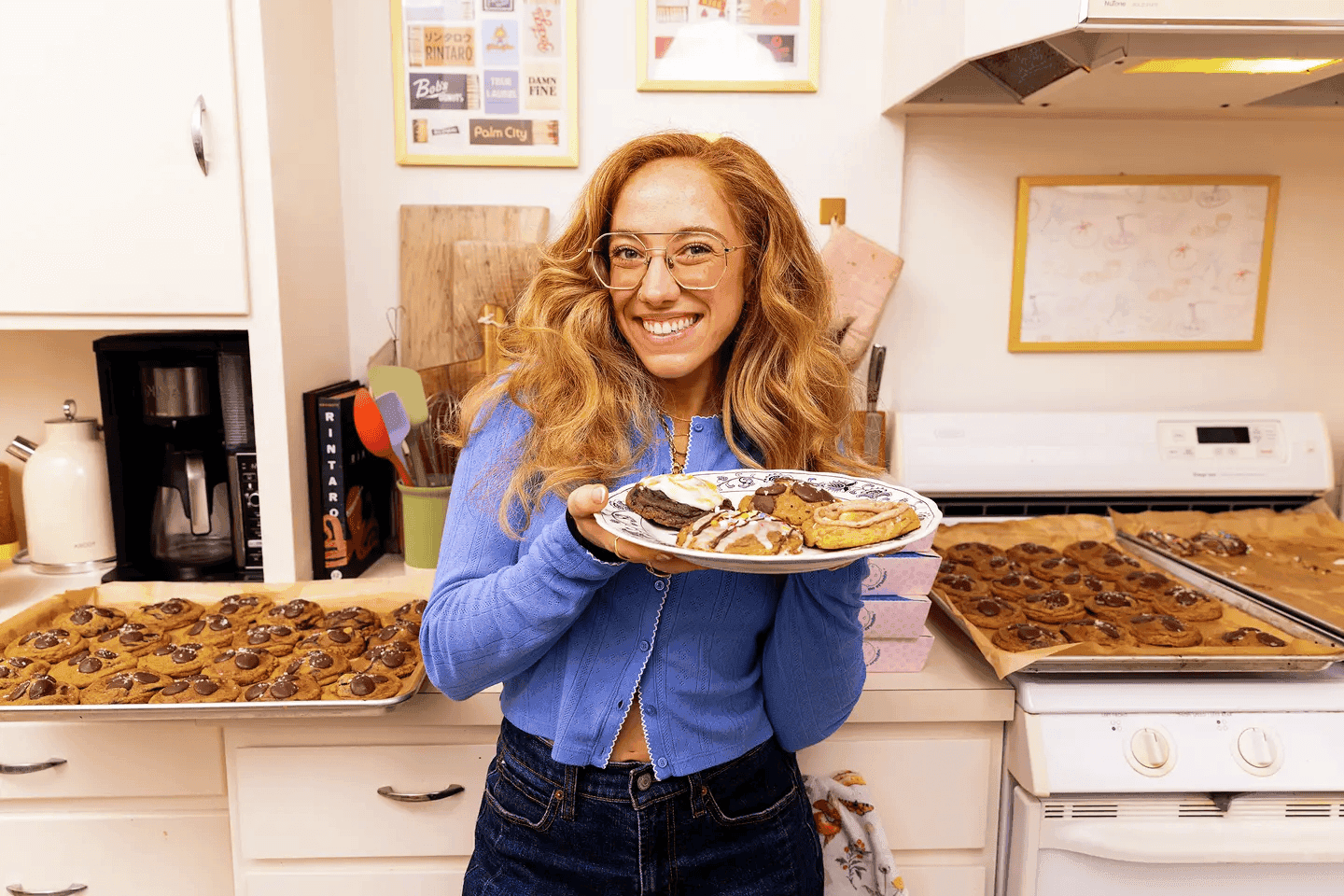
Today, Nicole still has her marketing job, but just moved her business into a commercial kitchen. She’s scaled the business to six-figures, and is making 10x what she would be if she opened a traditional brick and mortar.
Stories like hers are not an exception. They’re an early indicator of what the next generation of food businesses look like.
The legacy restaurant model was built for a world where the only way to sell food was to own a room people could walk into. Things have changed.
The next generation of food businesses will:
Be started from homes and commercial kitchens, not just brick and mortars.
Run on their own schedule, not with the pressure to be always open, all the time.
Build a menu they’re excited about and that pushes the creativity of food, not just one that is marketable to the broadest range of consumers.
Actually be profitable from day one, not on razor thin margins or saddled with debt.
The old model works for a very small number of people, but it doesn’t have to be the only path.
For the chefs already building on Hotplate, it's not.
A new model: drops
Hotplate exists to make it possible for anyone, anywhere to start and scale a food business on their own terms.
Here's how it works: chefs on Hotplate pre-sell nearly everything they make, days in advance. They set the menu, the inventory, and the schedule. They only cook what's already been sold.
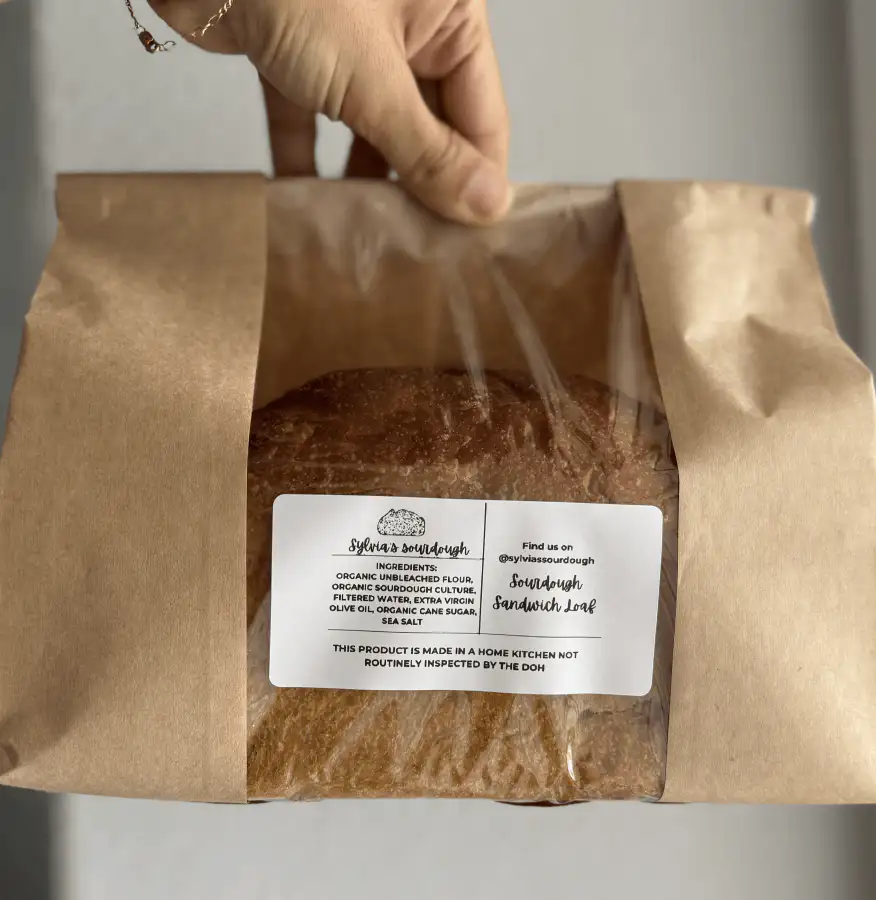

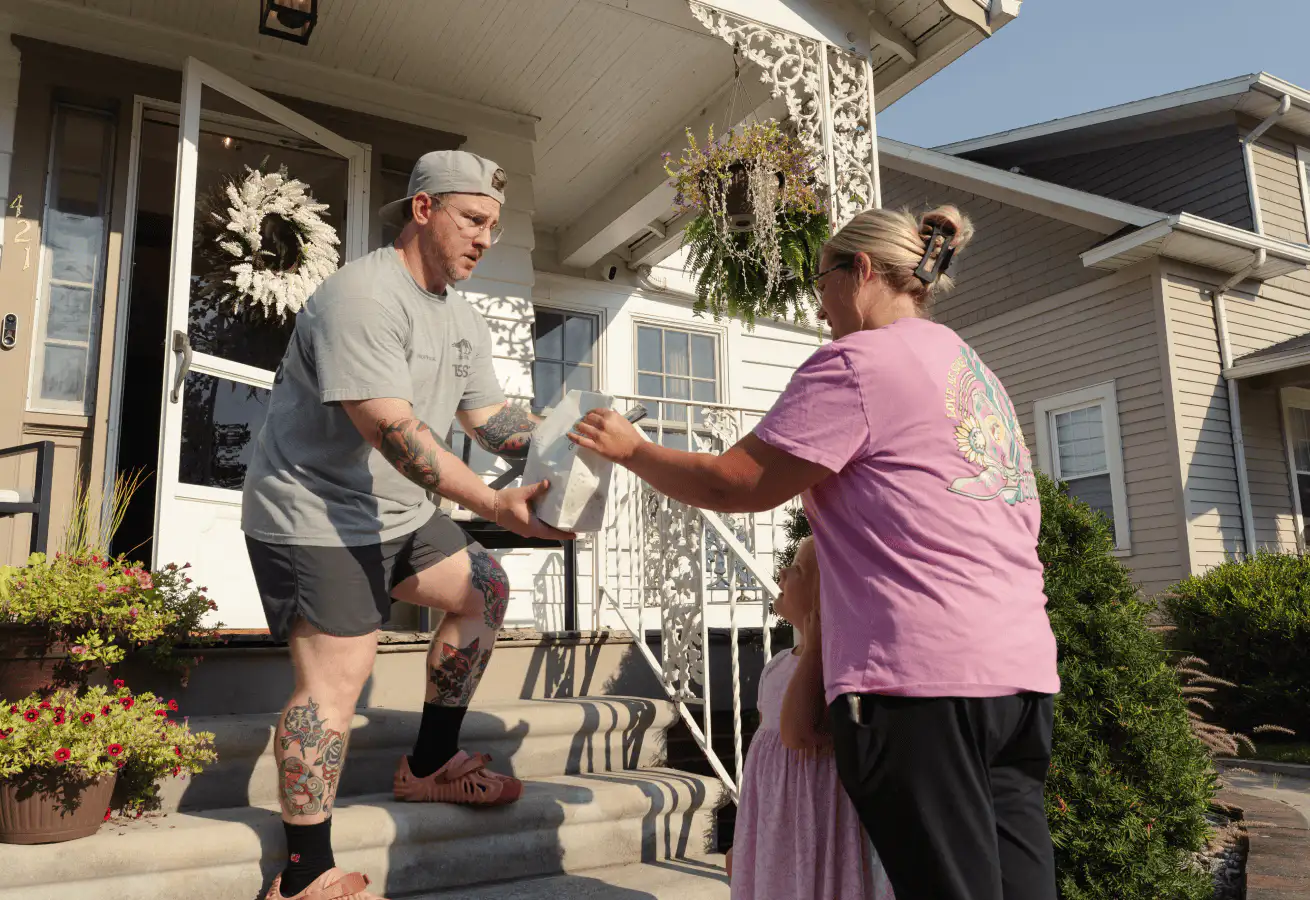
That single shift changes the economics of a food business. Instead of the traditional 3–5%, businesses on Hotplate make 50–80% margins. Chefs can start from home with nothing — no lease, no debt, no team — and keep making money as they grow.
The economics don't break as they scale. Expanding is a decision owned by the chef, once the business is already profitable and they've tested their concept. Hotplate businesses range from $500-a-month side hustles to multi-million dollar operations.
This model gives power back to chefs to craft a business that works for them, and the Nicoles of the world are able to bring their businesses to life because of it.
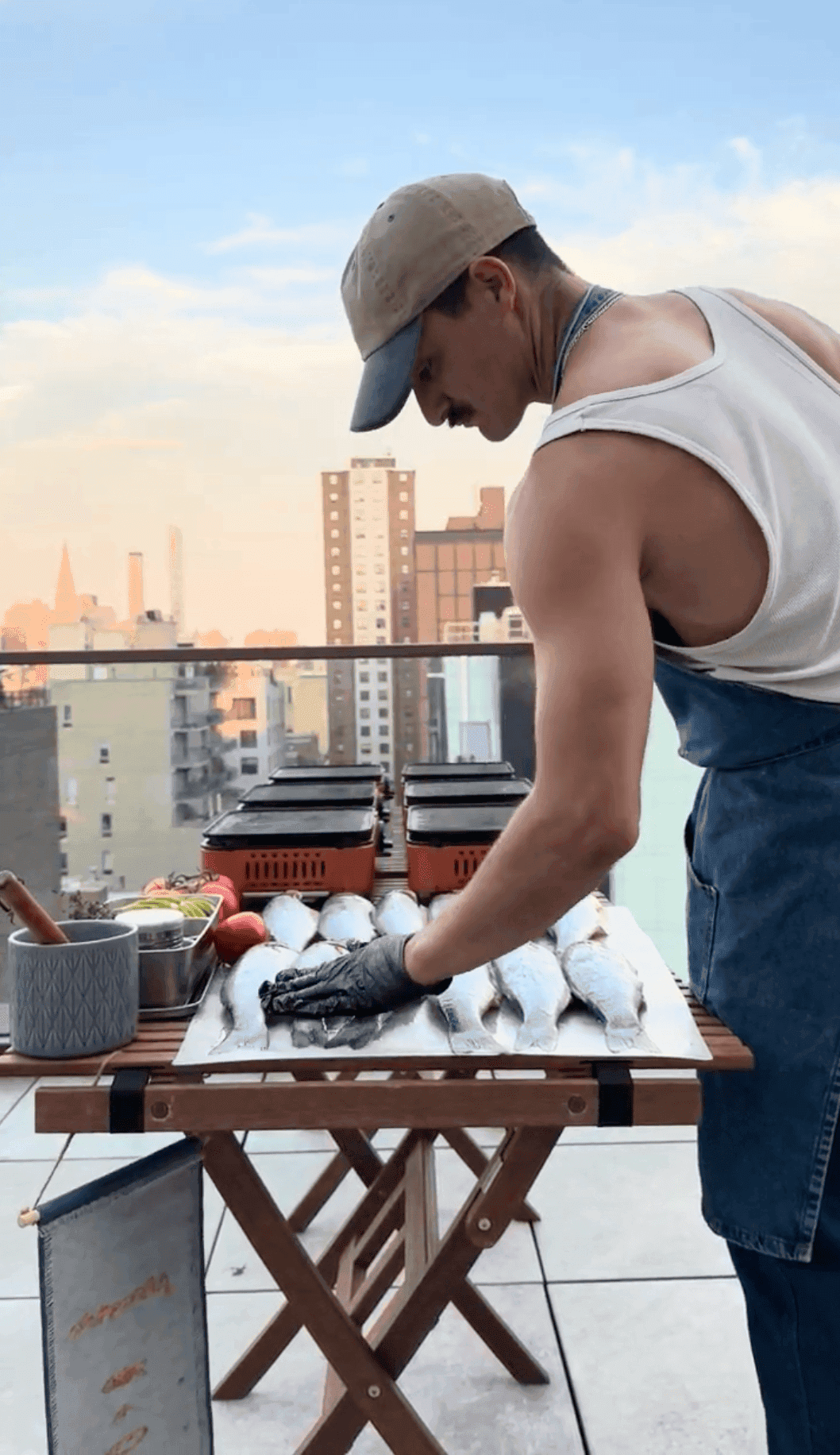
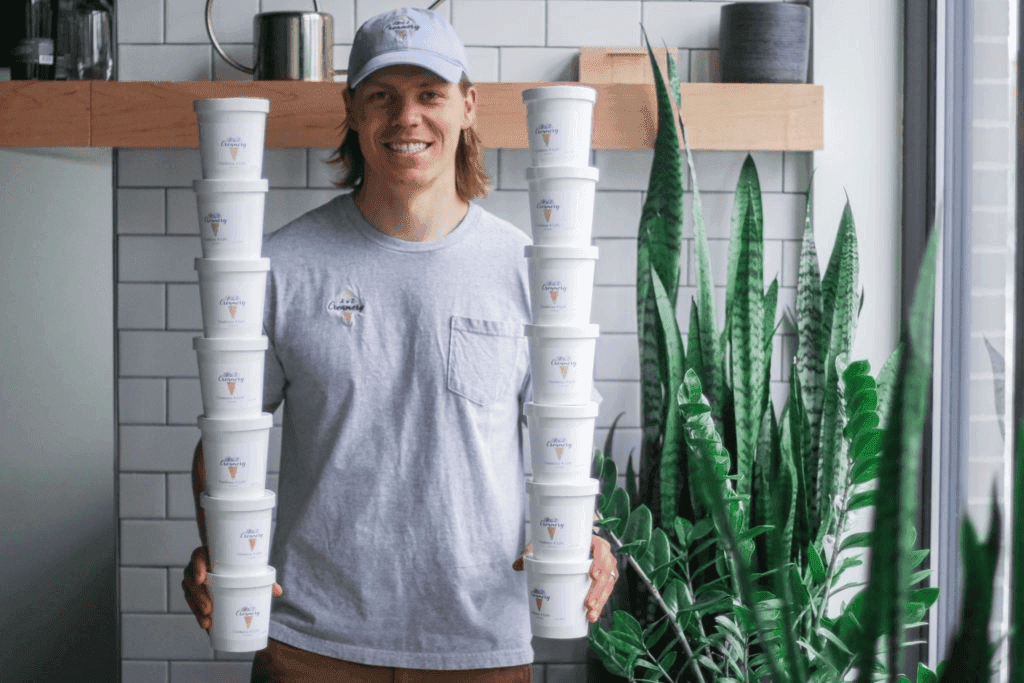
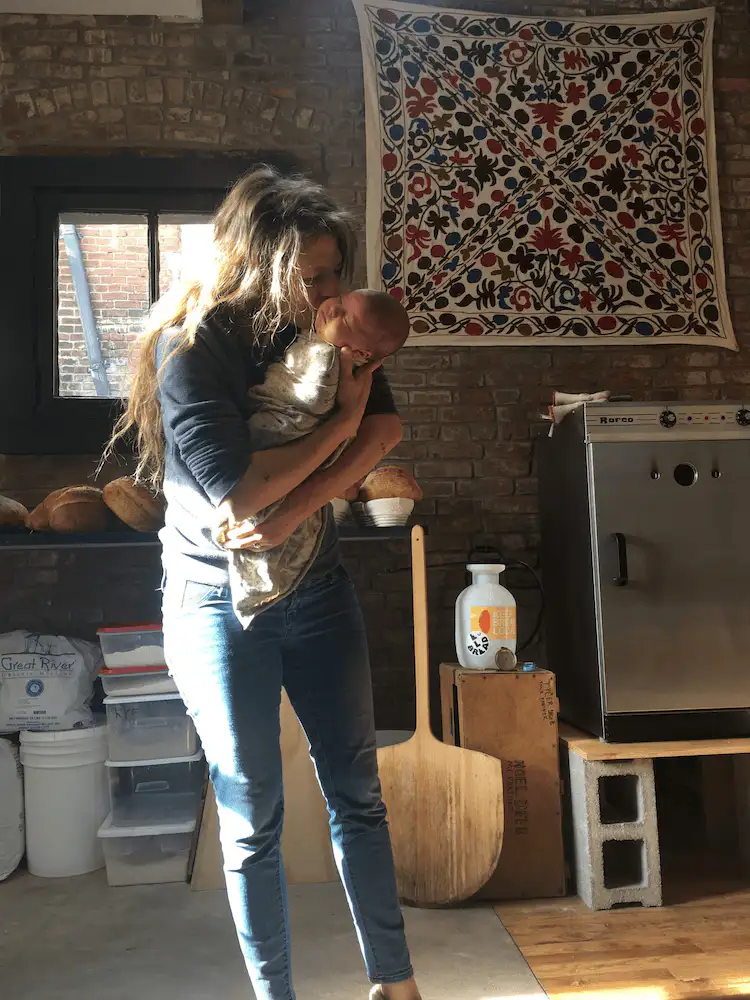
Over the last few years, we've watched thousands of chefs build real businesses via the drop model. Noel from El Bread Shop is able to raise her five kids at home while running her microbakery. Mason was able to quit his job at Google to sell grilled Branzino on the sidewalk. Zach scaled A to Z Creamery from an Instagram ice cream review page into sell-outs of his own weekly pints.
This model democratizes the ability for anyone to start and run a food business. And as a result, the food we all eat becomes more creative and delicious.
Chefs on Hotplate are often the first to bring something new to their neighborhood: the first Waakye bowls, the first Filipino-French pastries, the first vegan Mexican plates. And these businesses gain real recognition. Three of the NYT's 22 Best Bakeries are businesses powered by Hotplate. Our chefs regularly appear in The Infatuation, Eater, Food & Wine, and Bon Appétit.
The future we're building
Today, over 5,000 chefs and bakers use Hotplate to sell food locally, and over 1 in 350 people in the US has bought from a Hotplate chef. But we’re just getting started.
Our goal is to change the way that people buy and sell food to a model that is truly chef-first, and in the process put a food business on every block in the US. Millions of people will get to build real livelihoods doing what they love, on their terms, in their neighborhoods, and all of us will get to eat better food along the way.
We hope you'll join us.
— The Hotplate Team